Fish mounts and replicas.
For most of the sport's history, putting a fish on the wall meant killing it. That has changed, and it changed for a practical reason as much as an ethical one: a modern replica made from measurements and photographs holds its colour far better than a skin mount ever did, and the fish swims away.
The whole thing hinges on three minutes at the water. Length, girth and a set of decent photographs, taken while the fish stays wet, and you have everything a replica needs. This page covers what to record, how the two kinds of mount actually differ, and the print tradition that does the same job for nothing.
Skin mount or replica
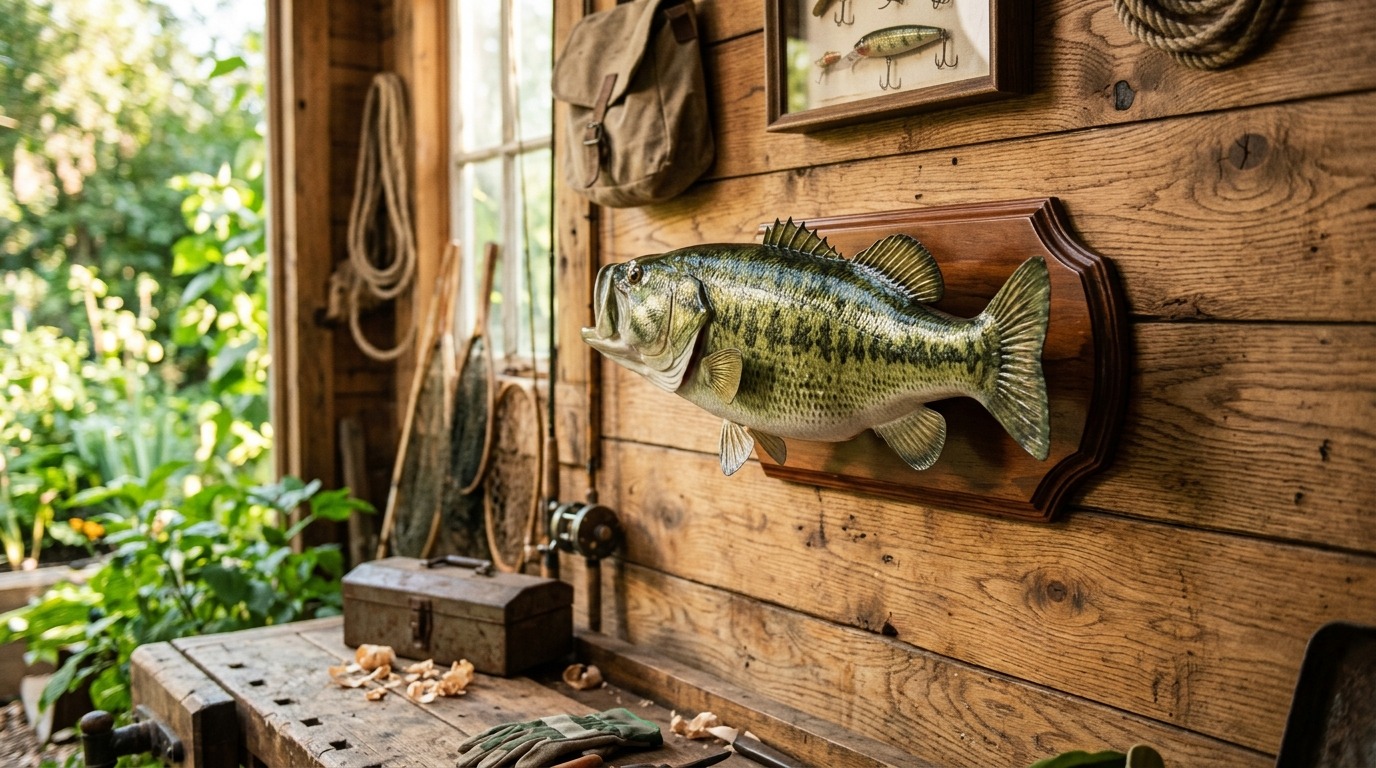
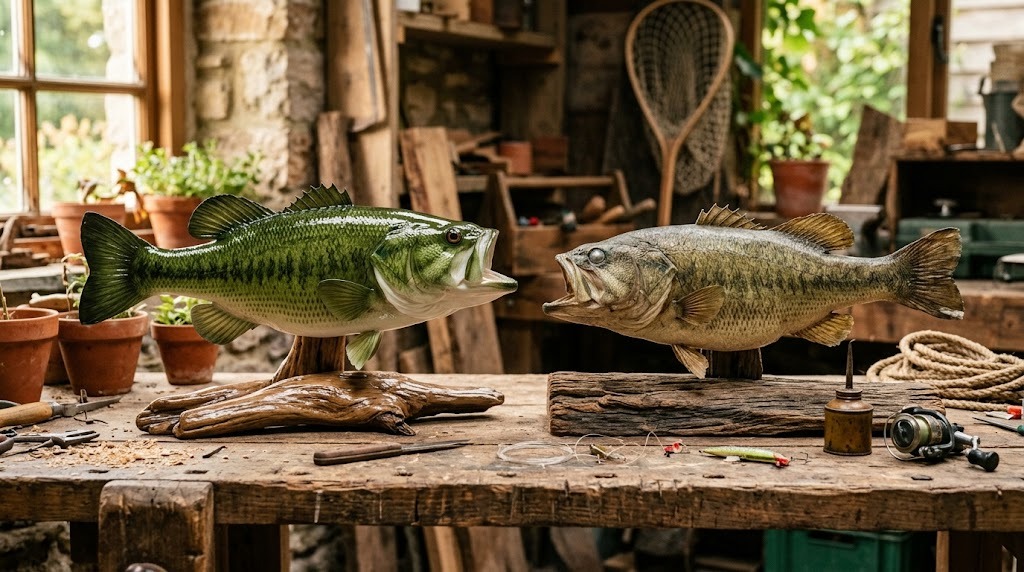
A skin mount uses the fish's own skin, cleaned and dried over a carved form, with the head and fins from the animal itself. A replica is a cast fibreglass or resin body painted from photographs, and the fish is not used at all. The honest comparison: a skin mount is the real fish and looks it up close, but the colours fade badly over years and the skin can crack, oil through the paint or shrink. A replica keeps its colour indefinitely, survives humidity, and can be made of a fish that was released. Most freshwater work has moved to replicas for exactly those reasons.
What to record at the water
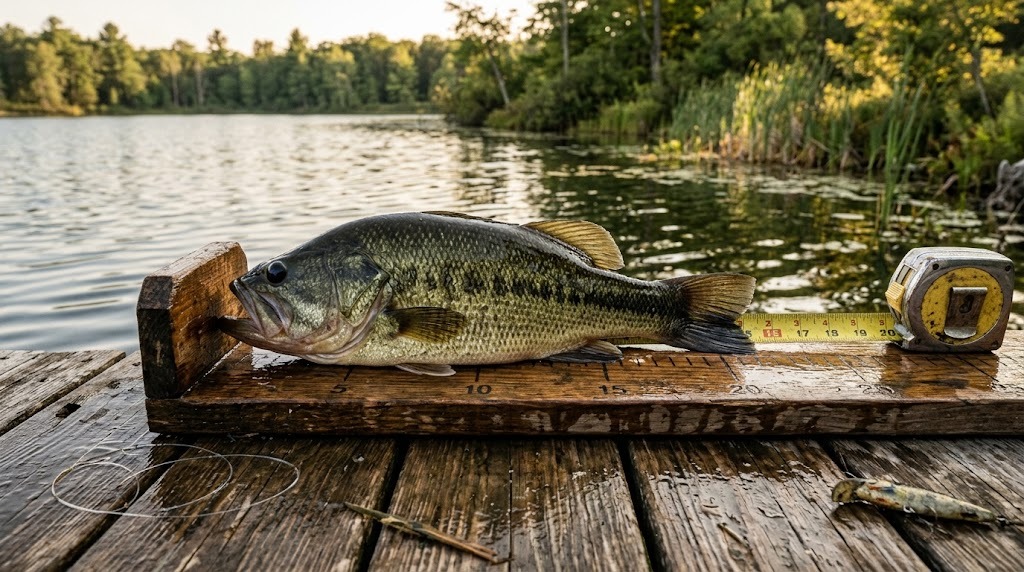
A replica needs three things and they take a minute to get: length from nose to tail fork, girth at the thickest point measured with a soft tape or a loop of line, and photographs. Photograph the whole fish flat on a wet mat from directly above and directly side-on, then close-ups of the head, the gill plate and any distinctive marking, all in shade rather than glaring sun so the colours read true. Note the water and the date. With those in hand the fish goes back and the mount gets made anyway, which is the entire point.
Handling for release
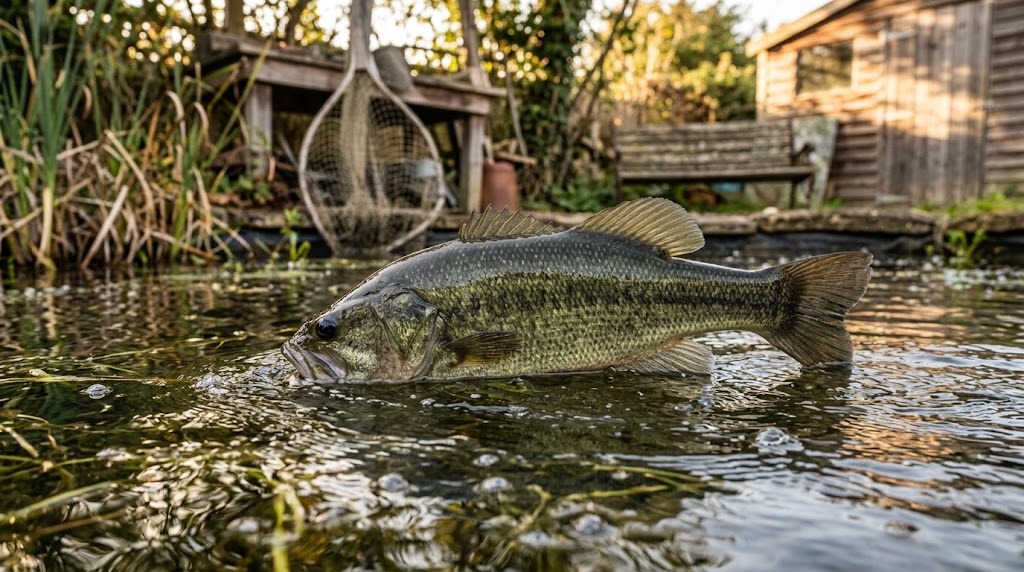
Everything about getting a good reference photo also happens to be good release practice, which is convenient. Keep the fish in the water while you sort the tape and the camera, use wet hands or wet gloves, support the body horizontally rather than hanging it vertically by the jaw, and keep air exposure to seconds rather than minutes. A wet unhooking mat protects the slime coat. Then hold it upright in the current until it swims off under its own power. The measurements are already taken; nothing is lost by being quick.
Gyotaku as an alternative
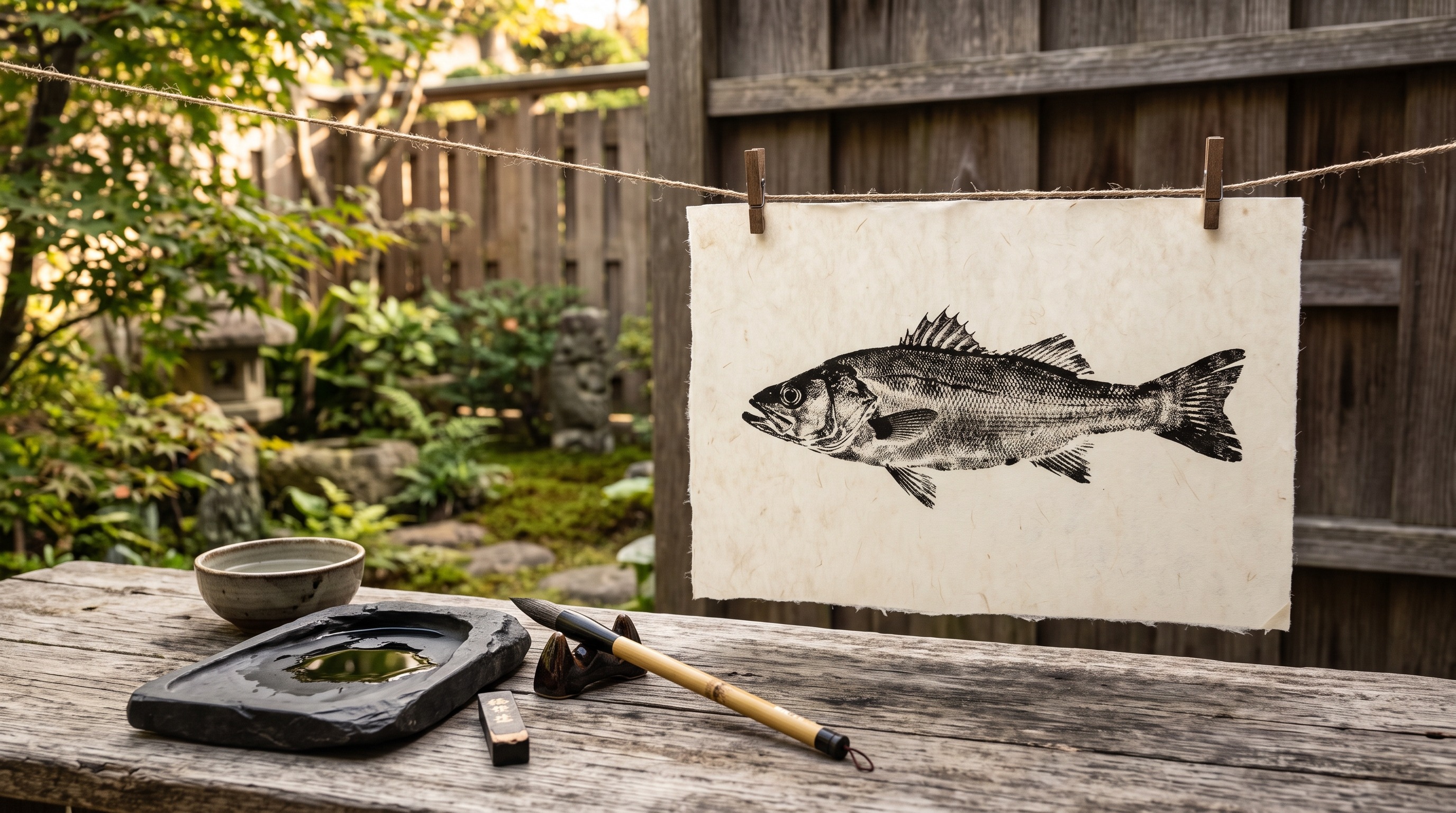
The Japanese fish print has recorded catches since the 1830s: ink applied to the fish, paper or cloth pressed over it, and the exact size and every scale and fin ray transferred to the sheet. It was invented to document catches before photography. Done with non-toxic ink on a fish that is going back in the water it is a genuine catch-and-release trophy, and done on a fish destined for the table it costs nothing at all. There is already a full page on this here - it is worth trying before you commission anything.
Looking after a mount
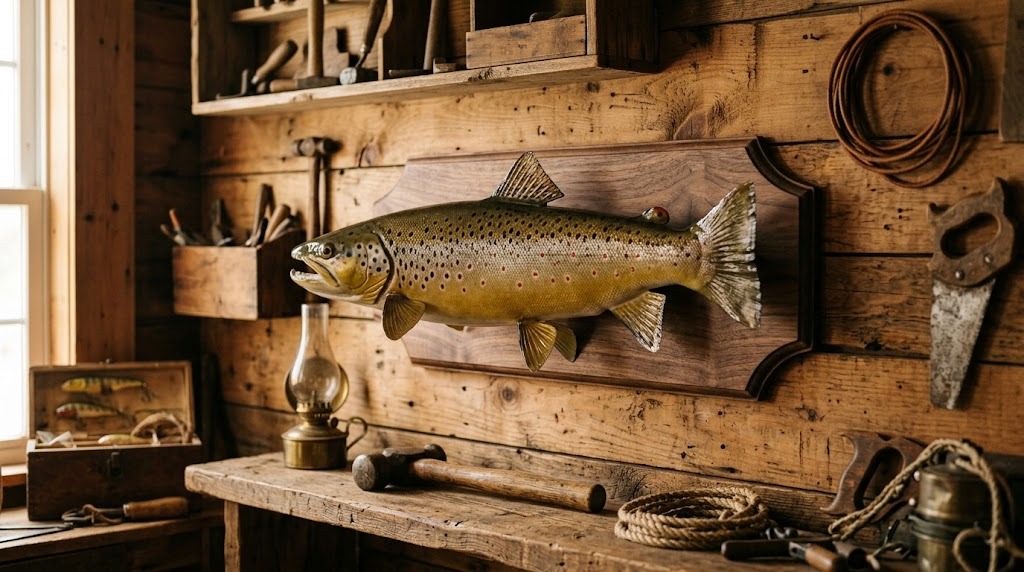
Whatever it is made of, a mount hates three things: direct sunlight, heat and dust. Sun fades a painted finish faster than anything else and will do it in a couple of summers on a south wall. Heat above a fireplace or a radiator dries and cracks a skin mount. Dust is dealt with by a soft dry brush working with the scales, never a damp cloth and never any kind of spray polish. A mount in a stable, shaded room with an annual dusting will still look right in twenty years.
Choosing who does the work
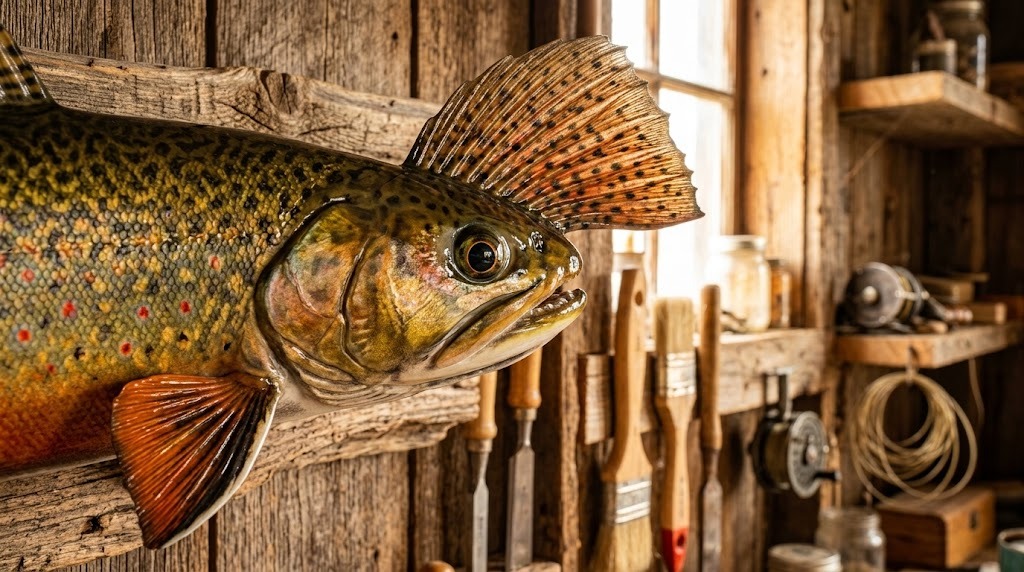
Judge a taxidermist by their work, in person, on the species you care about. Look at the fins for realistic thinness rather than clumsy thickness, at the eye setting, at the paint under a strong light - fish colours are iridescent and the difference between good and mediocre painting is obvious once you look. Ask how long the turnaround actually is, because a year is normal and being told two weeks is a warning. Ask what happens if you are not happy with it. Get the arrangement in writing before anything is handed over.