How to Catch Slipper Lobster
Slipper lobsters are flat, clawless reef-dwelling relatives of the spiny lobster, prized for sweet, dense tail meat, caught by hand or while diving on warm-water reefs where seasons allow.
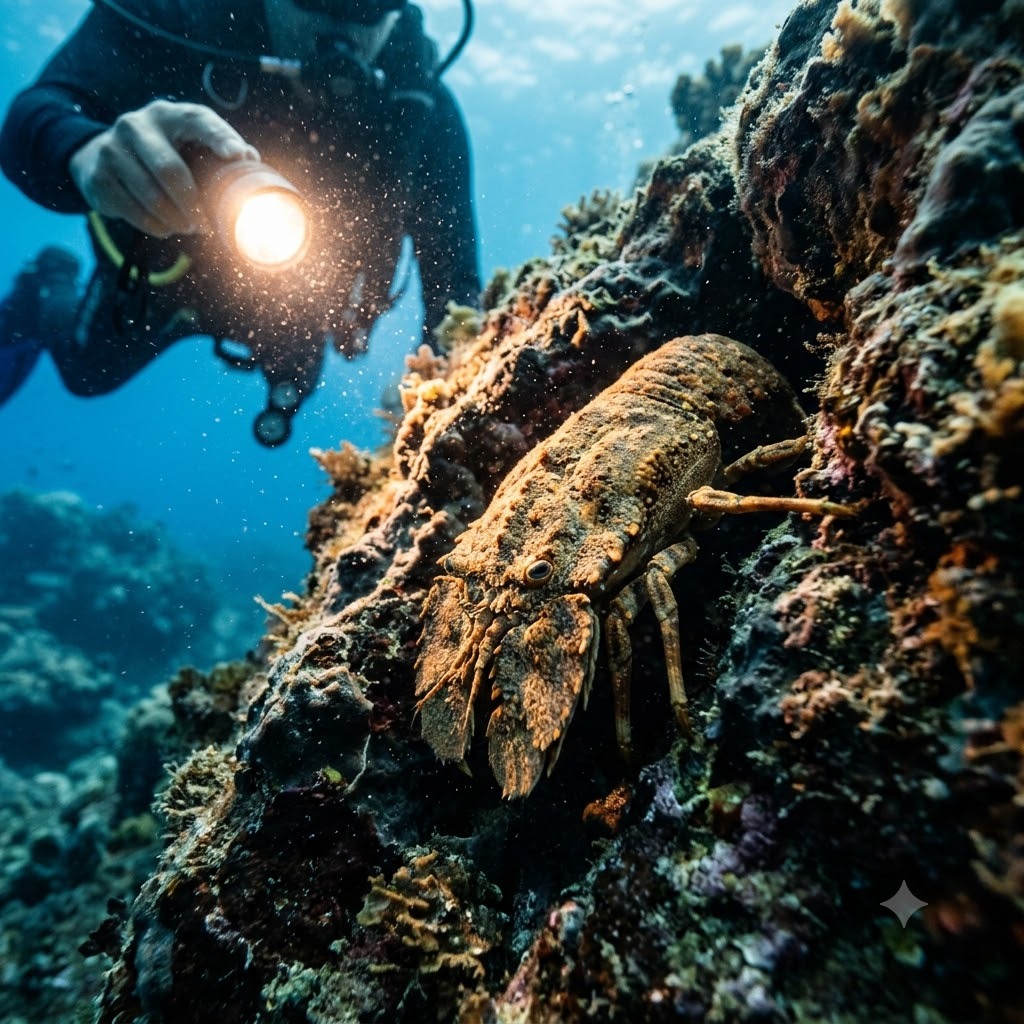
Diving for slipper lobster demands proper training and never diving alone. Seasons, size limits and licences apply and vary by region; check local rules and release egg-bearing females. Shellfish is a serious allergen; cook thoroughly.
Slipper lobster is the underrated treasure of warm-water reefs - a flat, shovel-shelled, clawless cousin of the spiny lobster that hides tail-first in crevices and under ledges. It lacks the drama of big claws or long antennae, which is exactly why so many divers swim right past it, but the tail holds surprisingly sweet, dense meat that rivals its more famous relatives. Where the season and rules allow, it is a quiet prize worth knowing.
Why go for them
The tail meat is the reward - sweet, firm and generous for the animal's size, and often overlooked, so there is less competition for it. For divers and reef foragers who already know the ground, slipper lobster adds an easy, rewarding target that many others miss entirely.
Where and when to find them
Slipper lobsters live on warm-water rocky reefs, ledges and crevices, lying flat against the rock or wedged into holes, often in the same structure that holds spiny lobster. Seasons are set locally and usually fall in the warmer months, and the crevices and overhangs are where you concentrate your search.
How to catch them
They are taken by hand while free-diving or on scuba, or sometimes in traps set on reef ground. Look for the flat, shovel-shaped shell in shadowed crevices rather than the antennae of a spiny lobster, and ease them out by hand with gloves. Diving requires proper training, a buddy, and attention to conditions and air.
Handling, cleaning and cooking
Keep them cold, then cook the tail - boil, steam or grill it, or split and broil with butter. The dense, sweet meat is excellent simply prepared and does not need much dressing up. As with all lobster, cook briefly and avoid toughening the tail with too much heat.
Safety and the law
Slipper lobster is regulated with size limits, seasons and licences that vary by region, so check your local authority, carry a gauge if required, and release egg-bearing females. Never dive alone or beyond your training. Harvest only from waters certified safe, cook thoroughly, and note shellfish is a serious allergen. See our shellfish safety guide.