Fishing Tailwaters
Below dams, cold constant releases build year-round trout factories with prolific bugs and educated fish - plus a non-negotiable safety rule: know the release schedule.
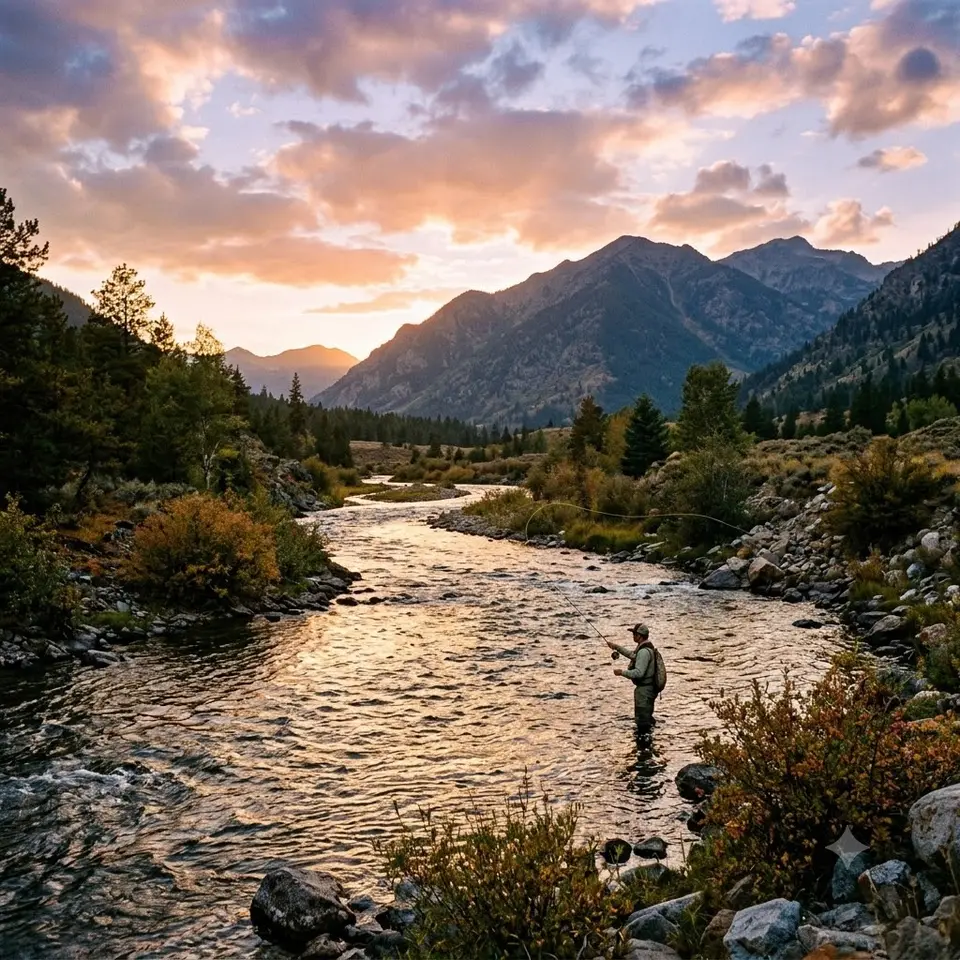
A bottom-release dam accidentally builds perfect trout habitat: water drawn from a reservoir's cold depths flows at stable temperatures year-round, growing dense insect life and fish that feed 365 days a year. Tailwaters hold many of the country's largest river trout - and its most educated, drifting tiny flies past PhD-level inspection. One rule stands above the fishing: generation schedules raise these rivers FAST. Check the release forecast every single visit, and know your exit.
What defines it
The river below a dam: cold, clear, temperature-stable flows; rich midge/scud/sowbug biomass; fish densities natural rivers can't match; and water levels controlled by turbine schedules, not weather - rising sometimes meters in minutes. Always check the generation schedule and never wade with rising water behind you.
Reading the water
At low flow: defined runs, shelves and channels - fish stack in the slots. At generation: fish slide to banks and soft edges. Foam lines carry the midge buffet; shelf drop-offs hold the better browns; the first kilometer below the dam usually fishes best (and coldest).
Tactics that work
Small and precise wins: midge and scud patterns (16-22) under fine tippet, drag-free drifts, sight-fishing to feeders. Spin anglers score with micro-jigs and single eggs drifted naturally. Streamers move the big browns on generation rises - fished from safe positions.
Season by season
The famous edge: winter fishing here is genuinely good (stable temps), spring adds bigger bugs, summer stays cold when everywhere else cooks, fall brings brown-trout aggression. The schedule matters more than the season - low-generation windows ARE the calendar.
Who lives here
Rainbow and brown trout headline (with real trophy potential), brook trout some systems, plus sleeper stripers and walleye in warmer tailraces chasing shad through the turbines.
What costs you fish here
Ignoring the release schedule (a safety failure before a fishing one), 5X-and-size-14 thinking on 6X-and-size-20 water, fishing memories of yesterday's flow, and, once the sirens have sent you out of the river and onto a safe bank, packing up instead of fishing the streamer bite from shore.
Gear that reads any water
As an Amazon Associate we may earn from qualifying purchases - at no extra cost to you. We link gear types, not sponsors' picks: you choose the exact product.