Fishing Farm Ponds
The humble farm pond - bass, bluegill, maybe catfish, all reachable from shore - is fishing's best classroom and quietly grows giants nobody has ever cast to. Ask permission first.
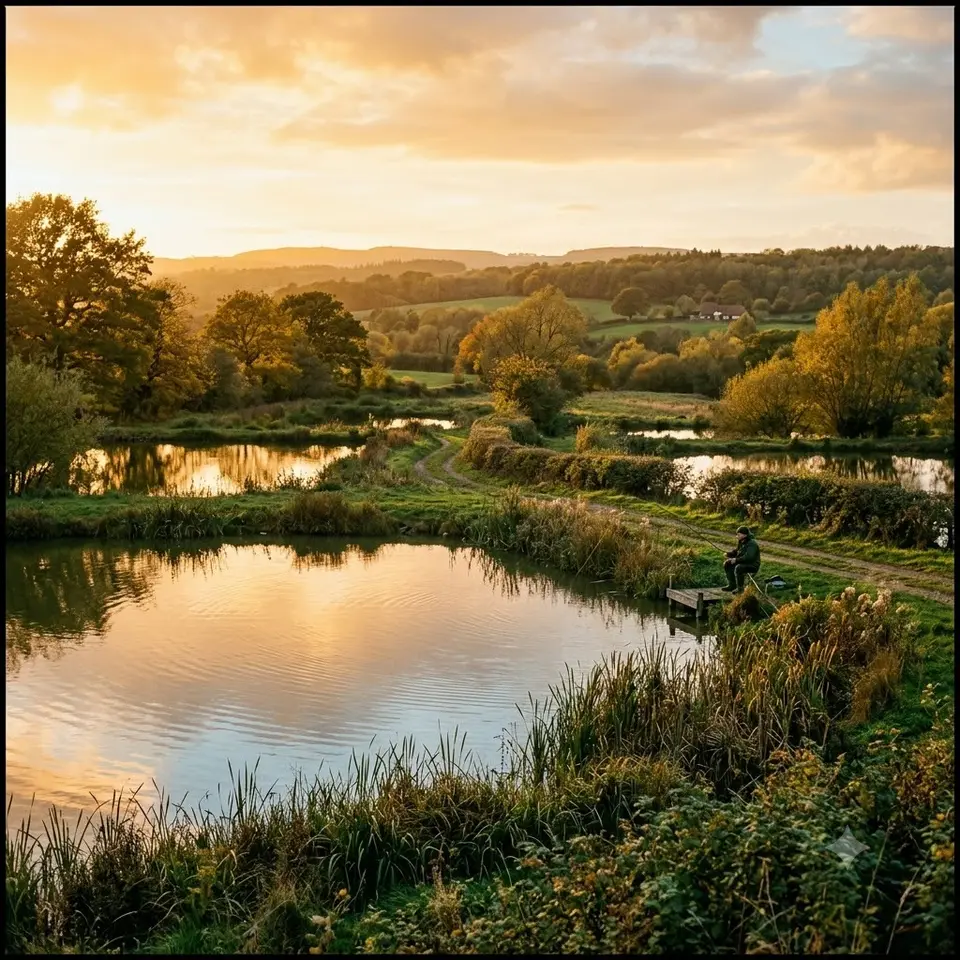
More anglers were made on farm ponds than every famous fishery combined: a water small enough to walk in an hour, stocked with the classic bass-bluegill partnership, every lesson of structure and seasons playing out at learnable scale. And ponds keep a secret - untouched ones grow enormous bass precisely because nobody asks. So ask! Permission, cheerfully requested and respectfully honored, is the entire access strategy (close gates, take trash, share photos with the owner).
What defines it
A human-made basin of a hectare or less: a dam end (deepest water), a shallow feeder end, maybe a dock or brush pile, bass and bluegill in the classic predator-prey loop. The whole ecosystem is readable from one lap of the bank.
Reading the water
Structure is scarce and therefore everything: the dam's riprap and drop, any dock/brush/fallen tree, cattail edges, the inflow after rain, and shade lines on summer afternoons. Fish relate to the SAME few spots all year - learn them once, own the pond.
Tactics that work
Everything works someday, but the pond canon is: wacky worms and Texas rigs along cover, small spinnerbaits parallel to the dam, poppers at dusk, and a bobber-and-worm for the bluegill masterclass. One rod, one small box, walk quietly, cast ahead of your feet.
Season by season
Spring: everything shallow - bass on beds in the feeder end, bluegill saucers after. Summer: dawn topwater, midday shade and the dam's depth. Fall: bass gorging on bluegill schools mid-pond. Winter: slow-drag the dam basin at noon on jigs; heavy sun days can shock you.
Who lives here
Largemouth bass and bluegill are the engine; channel cats often stocked; crappie, redear and green sunfish frequently along for the ride; the odd grass carp staring judgmentally.
Mistakes on this water
Skipping permission (ends access for everyone), heavy pressure on tiny bass populations without releasing the breeders, stomping the bank into the water (pond fish feel footsteps), and 'graduating' from ponds - the best anglers still do their R&D here.
Gear that reads any water
As an Amazon Associate we may earn from qualifying purchases - at no extra cost to you. We link gear types, not sponsors' picks: you choose the exact product.