Barbless & Single-Hook Conversions
Not a hook but a practice: pinching barbs and swapping trebles for singles for faster release, fewer injuries and legal compliance. The when, why and how.
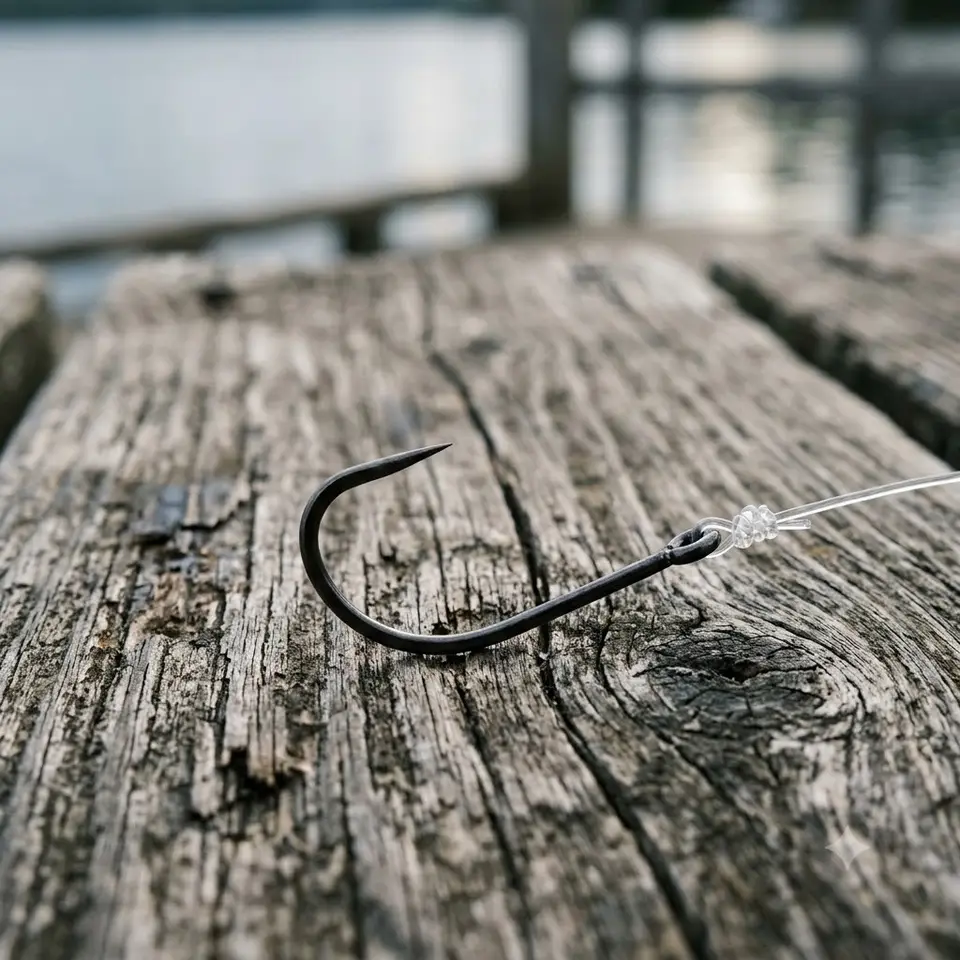
More and more waters require barbless hooks or single hooks, and more anglers choose them regardless - because a pinched barb slides out of a fish (and a finger, and a net) in seconds, and one single hook does far less damage than three treble points. This isn't a hook type so much as a decision that touches every hook you own, and it's worth understanding before the regulations - or a buried treble - force the issue.
What it is
The practice of pinching down barbs and/or replacing treble hooks with single hooks (Siwash, inline singles) to speed release, reduce injury and meet local rules.
When to use it
Any catch-and-release fishery, waters with barbless or single-hook regulations, fly and trophy fisheries, and anywhere you handle fish you intend to let go - or want quick self-rescue if a hook finds you.
How to rig & set it
Pinch barbs flat with pliers before fishing; convert lures by swapping trebles for correctly-sized inline singles or Siwash on the split rings, orienting points to hook and hold. Keep steady pressure when fighting - barbless holds fine with a tight line.
Sizing
When swapping trebles for singles, upsize the single to keep hooking power; keep barbless points needle-sharp since they rely on penetration, not the barb, to hold.
Strengths & weaknesses
Faster, gentler release, safer for anglers, rules-compliant. The mild trade: a slack line loses barbless fish more easily and single hooks catch fewer swiping strikes - keep tension and accept the small cost.
Where hook choice goes wrong
Letting the line go slack (barbless needs steady tension), dull barbless points, undersized single conversions, and assuming 'barbless' means 'catch fewer' when good line control barely costs a fish.
Hooks to keep on hand
As an Amazon Associate we may earn from qualifying purchases - at no extra cost to you. We link gear types, not sponsors' picks: you choose the exact product.