Copolymer Line
Blending multiple nylons lets copolymer tune what mono can't - less stretch here, more abrasion there - a refined middle ground many anglers spool without knowing its name.
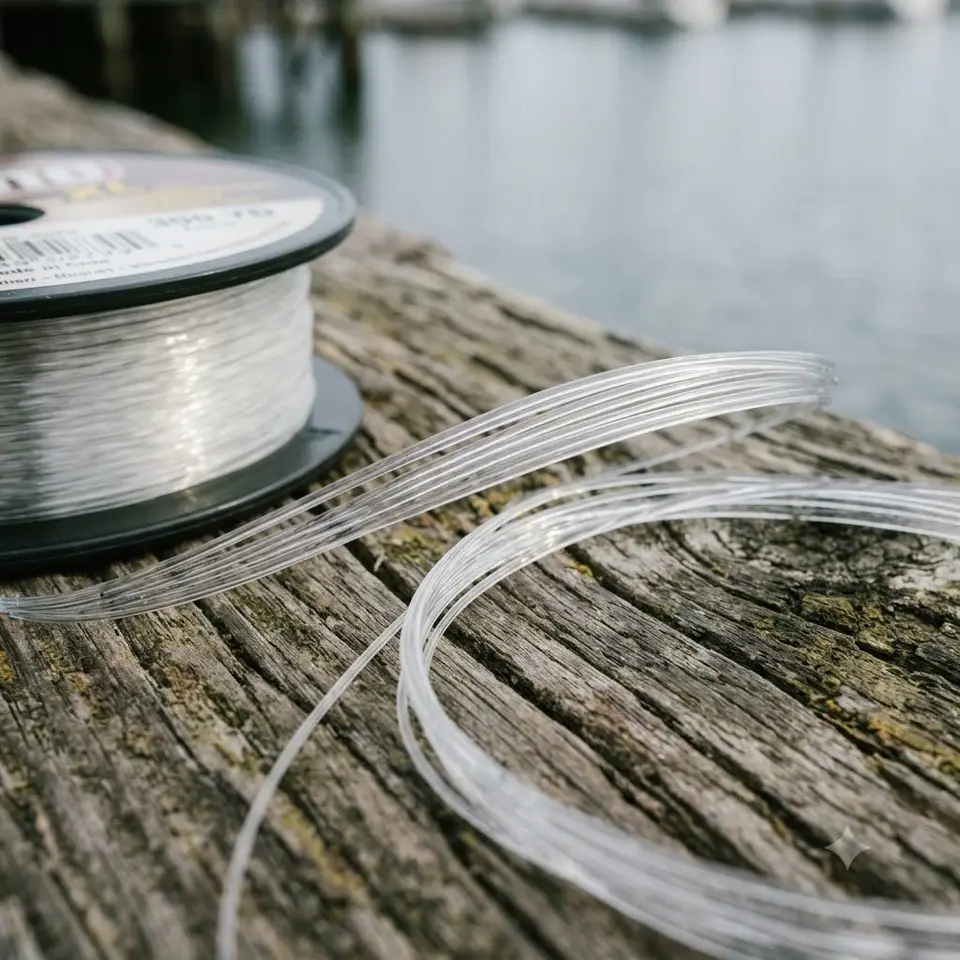
Copolymer is monofilament with an engineering degree: two or more nylon polymers extruded together so makers can dial the recipe - a bit less stretch, a bit more abrasion resistance, lower memory, or a specific sink rate - rather than accepting nylon's one default personality. Plenty of premium 'mono' on shop shelves is quietly copolymer; it's the sensible upgrade for anglers who like mono's manners but want sharper tools.
What it is
Multiple nylon formulations co-extruded into one strand. Same family as mono - but blended, so properties are TUNED per product: check each line's stated personality rather than assuming one 'copoly' spec.
Strengths
Lower stretch and memory than basic mono with the same easy knotting; often tougher against abrasion; usually near-neutral buoyancy (sinks slower than fluoro, floats less than mono) - a genuinely useful in-between; mono-adjacent price.
Weaknesses
Still nylon at heart: ages with UV and water, stretches more than fluoro or braid, and 'copolymer' guarantees nothing specific - quality and character vary wildly by product line.
Where it wins
All-round spinning spools stepping up from bargain mono, jerkbaits and jigs where near-neutral sink helps, float/leger coarse setups, and cold weather (good copolys stay supple when cheap mono goes wiry).
Knots & handling
Handles exactly like mono - clinch, Palomar, uni all seat sweetly wetted. Respool on the same schedule as mono; the blend slows aging but doesn't stop it.
Mistakes with this line
Treating the label as a spec (read THE line's actual claims), paying fluoro prices for copoly expecting fluoro invisibility, and keeping it for years because it was 'premium' - nylon is nylon; it ages.
Line locker
As an Amazon Associate we may earn from qualifying purchases - at no extra cost to you. We link gear types, not sponsors' picks: you choose the exact product.