Read the bugs.
"Match the hatch" is the heart of fly fishing: trout eat whatever insect is active, so if you know which bug is hatching, you know which fly to tie on. It sounds like a lifetime of study - it's really just five groups. Learn these and you'll pick the right fly far more often than you guess.
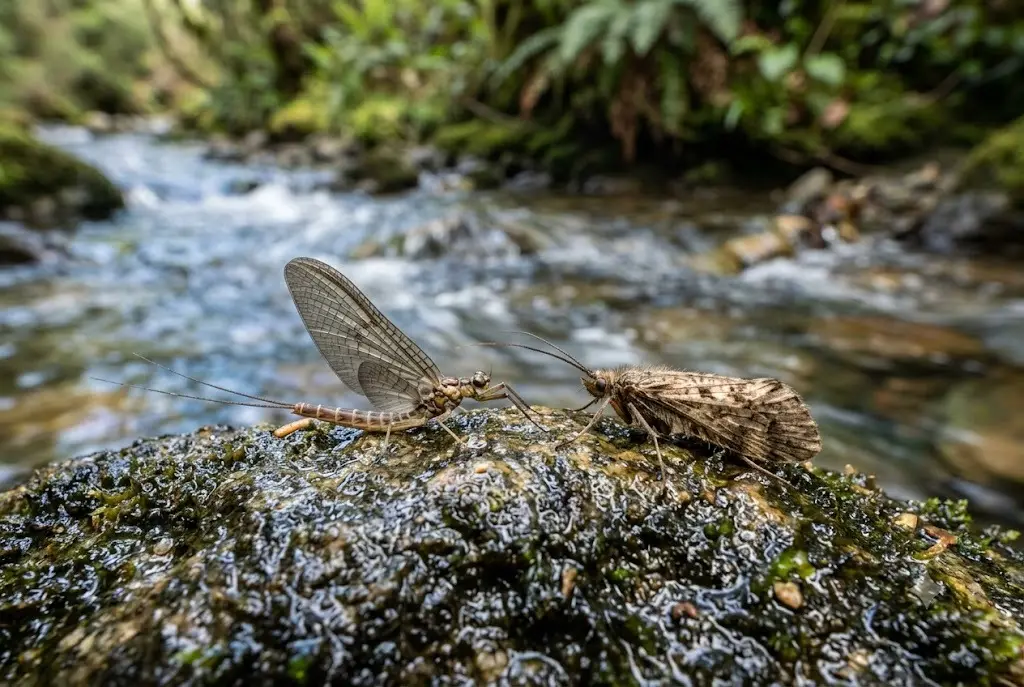
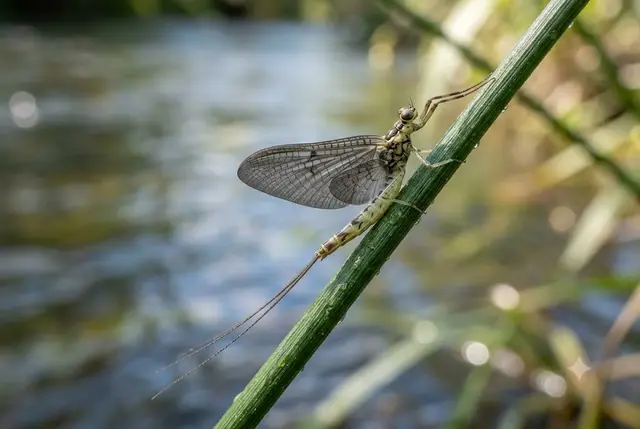
Nymph → emerger → dun → spinner
WhenSpring and autumn, often mid-morning to afternoon on cool, grey days.
Match withPheasant Tail nymph subsurface; Blue-Winged Olive or an Adams up top.
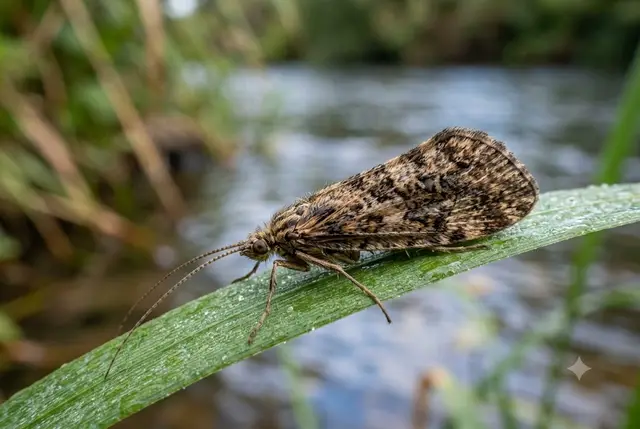
Larva → pupa → adult
WhenLate spring through summer, and famously on warm evenings.
Match withGold-Ribbed Hare's Ear or a soft hackle rising; Elk Hair Caddis on top.
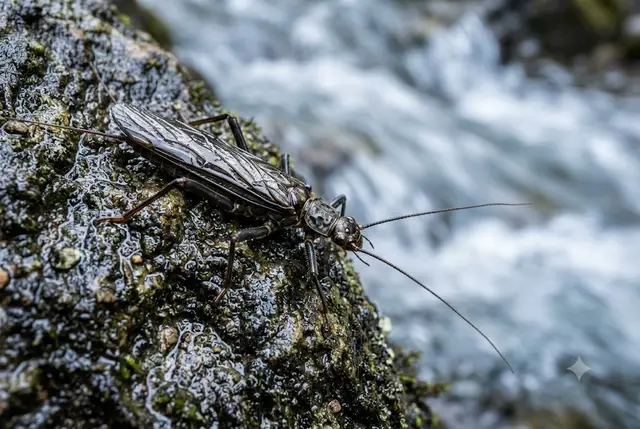
Nymph → adult (crawls out to hatch)
WhenEarly spring, in faster, rockier, well-oxygenated water.
Match withA big weighted nymph deep; a stimulator or big dry when adults are about.
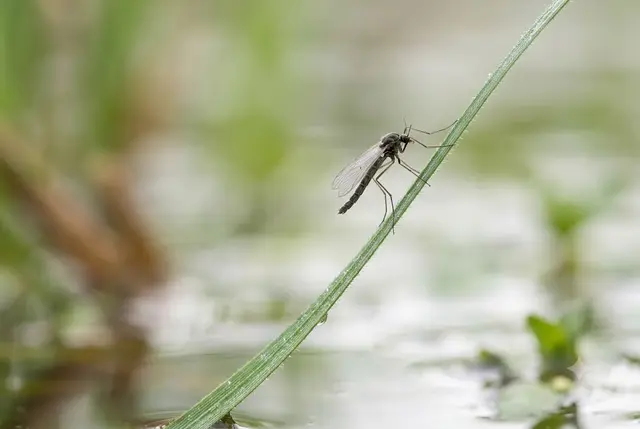
Larva → pupa → adult
WhenAll year - and often the ONLY thing hatching in winter and on tailwaters.
Match withZebra Midge or RS2 deep; Griffith's Gnat for a cluster on the surface.
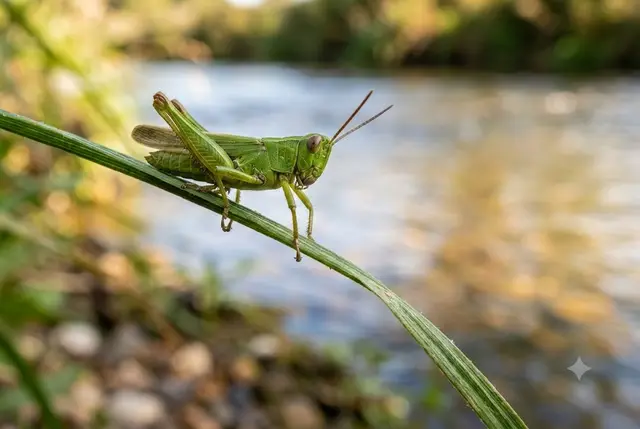
Hoppers, ants, beetles - land insects that fall in
WhenHigh summer, warm and breezy, tight to grassy and tree-lined banks.
Match withA foam hopper, a beetle or a sunk ant - fished close to the bank.
Rough hatch calendar
Very rough, typical windows - hatches shift by weeks with latitude, altitude and the weather on the day. Watch the water: rising fish and bugs in the air beat any calendar.
Now put it to work: pick the pattern in the fly box, tie your own in fly tying, and match it to the right rod with the fly rod matcher.
A simplified starting point - real entomology is vast and hatches are intensely local. Use this to learn the groups, then let what's actually on your water, on the day, have the final say.
Kit for matching the hatch
As an Amazon Associate we may earn from qualifying purchases - at no extra cost to you. We link gear types, not sponsors' picks: you choose the exact product.