Raising Murray Cod: A Premium Native Fish for Temperate Aquaculture
How to grow Murray cod in a backyard recirculating system - a hardy, slower-growing native prized for flavor, with a strong appetite and a habit of eating anything smaller than itself.
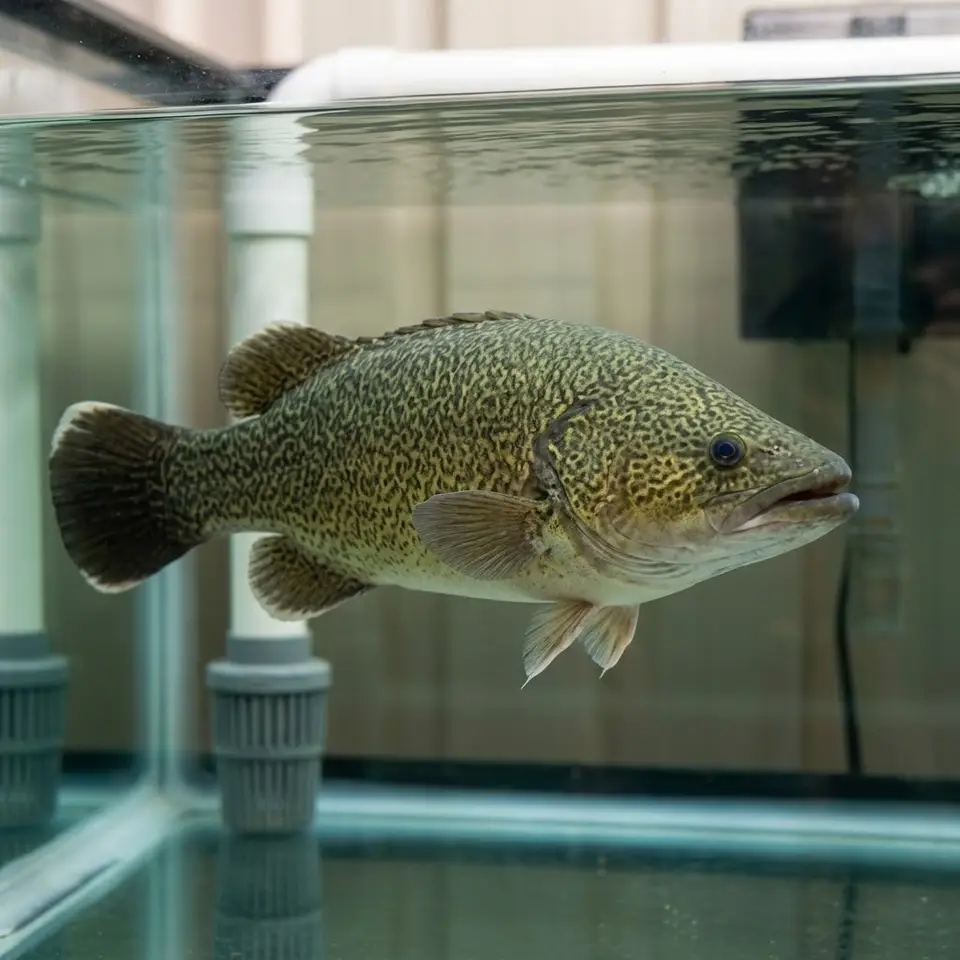
Murray cod are Australia's most famous native fish and a genuine premium aquaculture species. They are hardier in cooler water than tropical species like barramundi, but they grow more slowly and, as ambush predators, must be size-graded constantly or they will simply eat each other.
Is it right for you?
Murray cod suit a patient grower who values flavor over speed and can manage a predatory fish. They tolerate temperate conditions better than tropical species but need clean water and careful grading.
System & Space
Grow them in a large recirculating tank or lined pond of several hundred gallons or more, with plenty of biological filtration. They are usually raised under cover to steady the temperature.
Water & Temperature
They do best in temperate water, roughly 18-24C, tolerating a wider range than tropical fish. Strong filtration and regular water changes are essential under heavy feeding.
Stocking & Feeding
Stock size-graded fingerlings and feed a high-protein pellet; they take to pellets well. Grade frequently - a larger cod will happily eat a smaller one.
Health & Care
Clean water prevents most issues; watch for stress and skin problems from poor conditions. Avoid overcrowding and keep sizes even to prevent cannibalism and injury.
Harvest & Enjoying Them
Murray cod grow slower than tilapia, taking a year or more to plate size, but reward the wait with firm, white, sweet flesh considered among the best of freshwater fish.
Getting Started
Begin with a cycled tank or pond, source healthy fingerlings from a licensed hatchery, and plan for slower growth and diligent grading.
Where Keepers Go Wrong
The classic mistakes are mixing sizes (cannibalism), underfiltering, and expecting tilapia-fast growth from a slower premium fish.
FAQ
Are they hard to raise? More demanding than tilapia, mostly because of grading and slower growth.
Worth it? For the flavor, many growers say yes.
Kit for raising fish
As an Amazon Associate we may earn from qualifying purchases - at no extra cost to you. We link gear types, not sponsors' picks: you choose the exact product.