How to Gather Slipper Limpets
Slipper limpets are curved snails that stack in chains on shells, an aggressive invader of shellfish beds in Europe - easy to hand-gather and mild to eat, so collecting them helps control a pest.
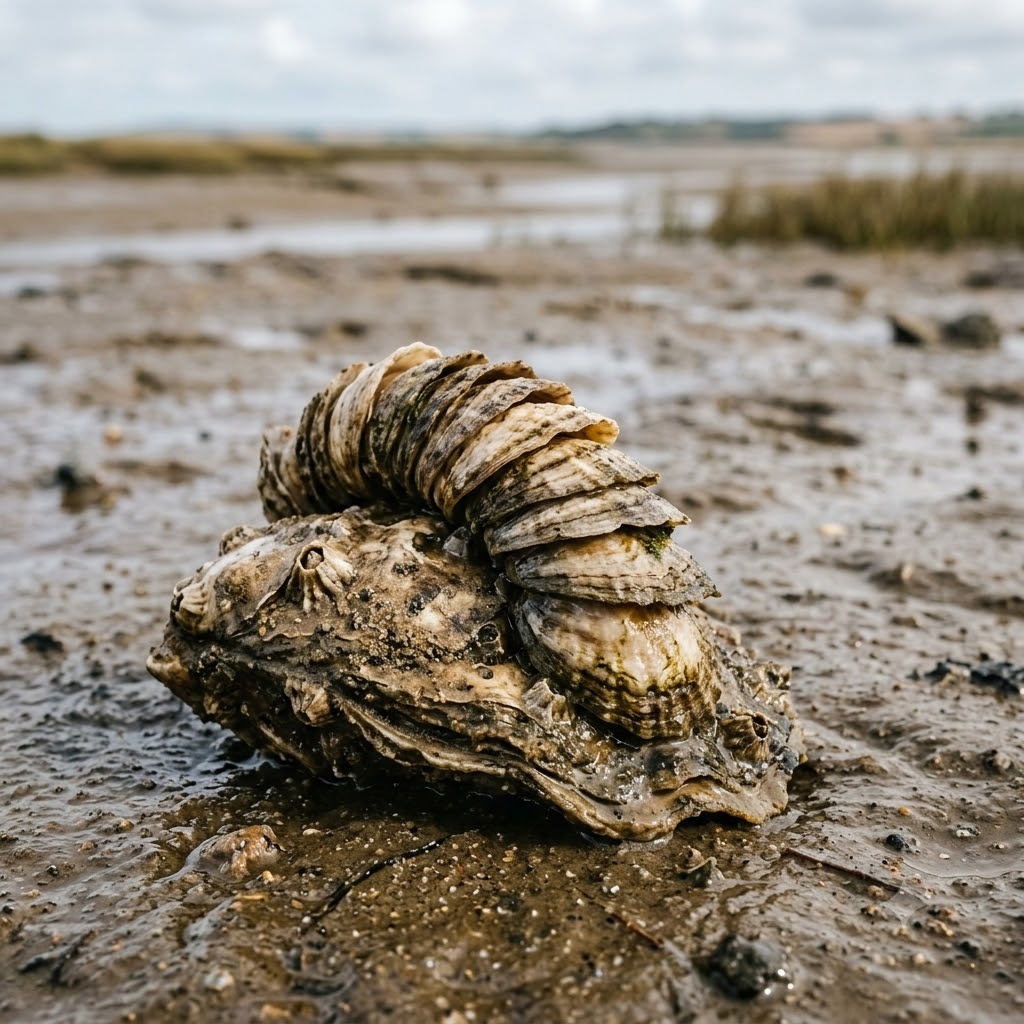
Slipper limpets are invasive on many shellfish grounds - never move live ones to clean beds. Gather only from clean, certified-safe flats. The meat is mild but should be cooked; shellfish is a serious allergen.
The slipper limpet is the shellfish you gather partly to help the shore. These curved, slipper-shaped snails stack up in little towers on shells and stones, and where they have invaded - smothering oyster and mussel beds across parts of Europe - they are a genuine pest. The good news is that they are easy to pick up by the chainful at low tide and perfectly edible, mild and tender, so collecting them thins an invader while giving you an unusual, free shellfish for the pot.
Why go for them
They are free, abundant and guilt-free to gather where they are invasive, since removing them helps native oyster and mussel beds. The meat is mild and tender, good in fritters, sauces or a seafood mix, and picking whole stacked chains off the flats is quick and easy - a simple forage that does a little good along the way.
Where and when to find them
Slipper limpets stack in chains on shells, stones and hard debris across muddy and shelly flats, oyster grounds and estuaries, especially where they have become established as an invader. Gather them on a good low tide when the flats are exposed, in the cooler months when biotoxin risk is lower, from clean water.
How to catch them
Simply pick the stacked chains and individual limpets up by hand off the flats and shells at low tide into a bucket - no gear needed beyond gloves. Because they are invasive on many grounds, take as many as you like where that is encouraged, but never move live ones to clean shellfish beds.
Handling, cleaning and cooking
Rinse and blanch the limpets to release the meat, then pull it from the shell and clean it. The mild, tender meat is good chopped into fritters, folded into sauces and chowders, or added to a mixed seafood dish rather than served alone. Rinse away grit and cook thoroughly, discarding any that seem off.
Safety and the law
The key rule is never to move live slipper limpets to clean shellfish grounds, since they smother native beds - gather and remove, do not spread. Take them only from clean, open, certified-safe flats, heed local closures, and cook the meat thoroughly. Shellfish is a serious allergen. Read our shellfish safety guide.