How to Catch Queen Conch
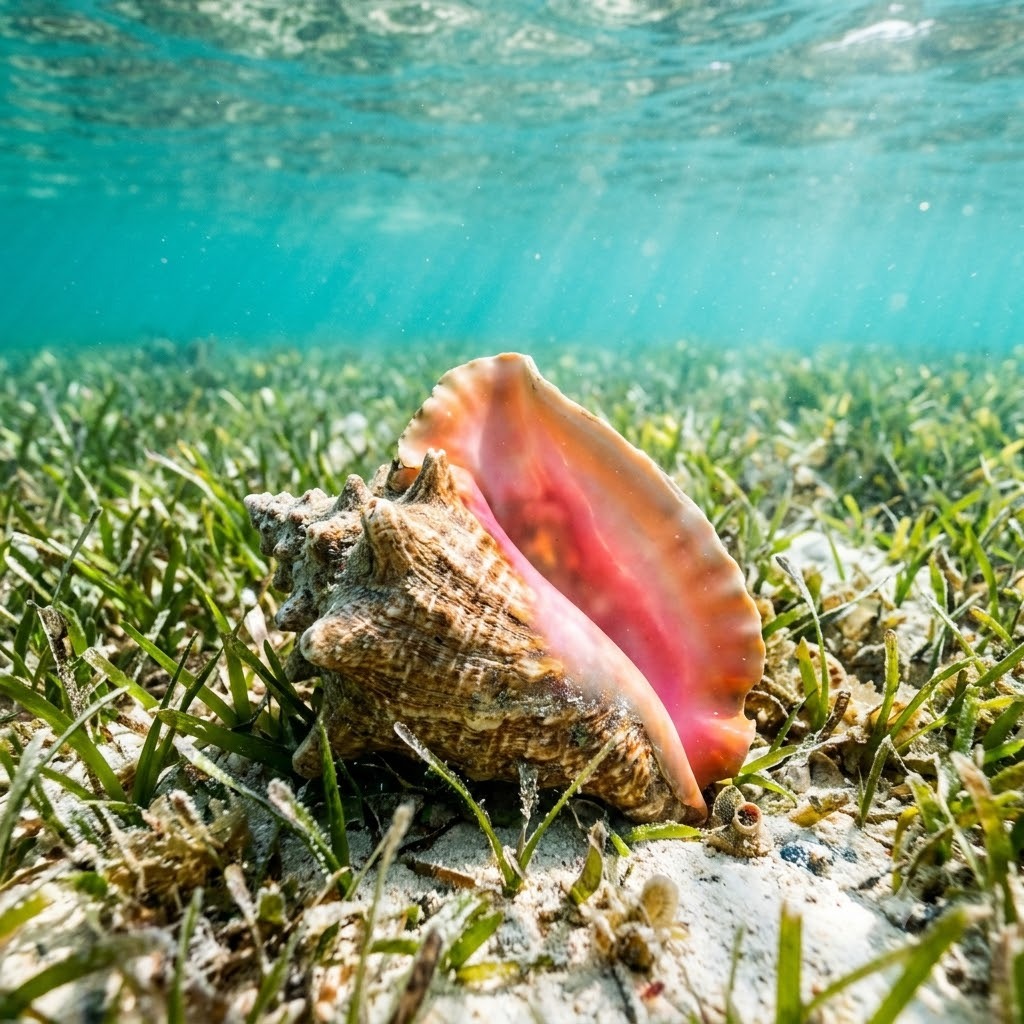
Queen conch is the big pink-shelled sea snail of the tropics, the celebrated 'lambi' of Caribbean kitchens - sweet, firm meat, but heavily protected and closed or restricted in many places, so legality comes first.
Queen conch is overharvested and heavily protected - seasons are closed in many areas, size and lip rules are strict, and it is CITES-listed, so exporting it may be illegal. Check and follow local law absolutely. Shellfish is a serious allergen; cook or prepare properly.
Queen conch is the taste of the Caribbean - the big, pink-lipped sea snail whose sweet, firm white meat becomes conch fritters, ceviche and the dish many islands simply call lambi. Gathering one from a clear turquoise flat is a classic tropical experience. But queen conch has been so heavily overharvested that it is now protected across much of its range, with closed seasons, strict size rules and CITES listing, so before anything else this is a species where you must know, and follow, the law.
Why go for them
The meat is genuinely special - sweet, firm and versatile, at the heart of Caribbean cooking - and free-diving a clear flat to gather your own is a wonderful experience where it is allowed. But be clear-eyed: the greatest value now is in harvesting responsibly and legally, or simply admiring them, because this is a species in real trouble in many areas.
Where and when to find them
Queen conch live on clear, warm tropical seagrass beds and sand flats, usually in shallow to moderate depths, plowing slow trails across the bottom. Where a season exists it is short and strictly set; in many places it is closed entirely. The when is dictated by regulation far more than by the animal.
How to catch them
Where legal, they are gathered by hand while wading or free-diving, simply picked up off the bottom into a mesh bag - no gear beyond mask, fins and gloves. The skill is not in the catching but in the judging: taking only legal, mature adults with a fully flared lip, and only where and when the law allows.
Handling, cleaning and cooking
The meat is extracted from the shell (traditionally by knocking a small hole to cut the muscle), then the tough skin is trimmed and the meat is tenderised by pounding. It is eaten raw in ceviche, cooked in fritters, chowder and stews, or grilled. Prepare it properly and hygienically, and keep it cold until use.
Safety and the law
This is the whole point with queen conch: it is overharvested and heavily protected. Many jurisdictions close the season entirely or set strict size and flared-lip rules, and it is listed under CITES, so even carrying or exporting shell or meat across borders may be illegal. Confirm and obey local law before you take a single conch, take only legal mature adults, and never take juveniles. Prepare properly; shellfish is a serious allergen. Read our shellfish safety guide.