How to Gather Keyhole Limpets
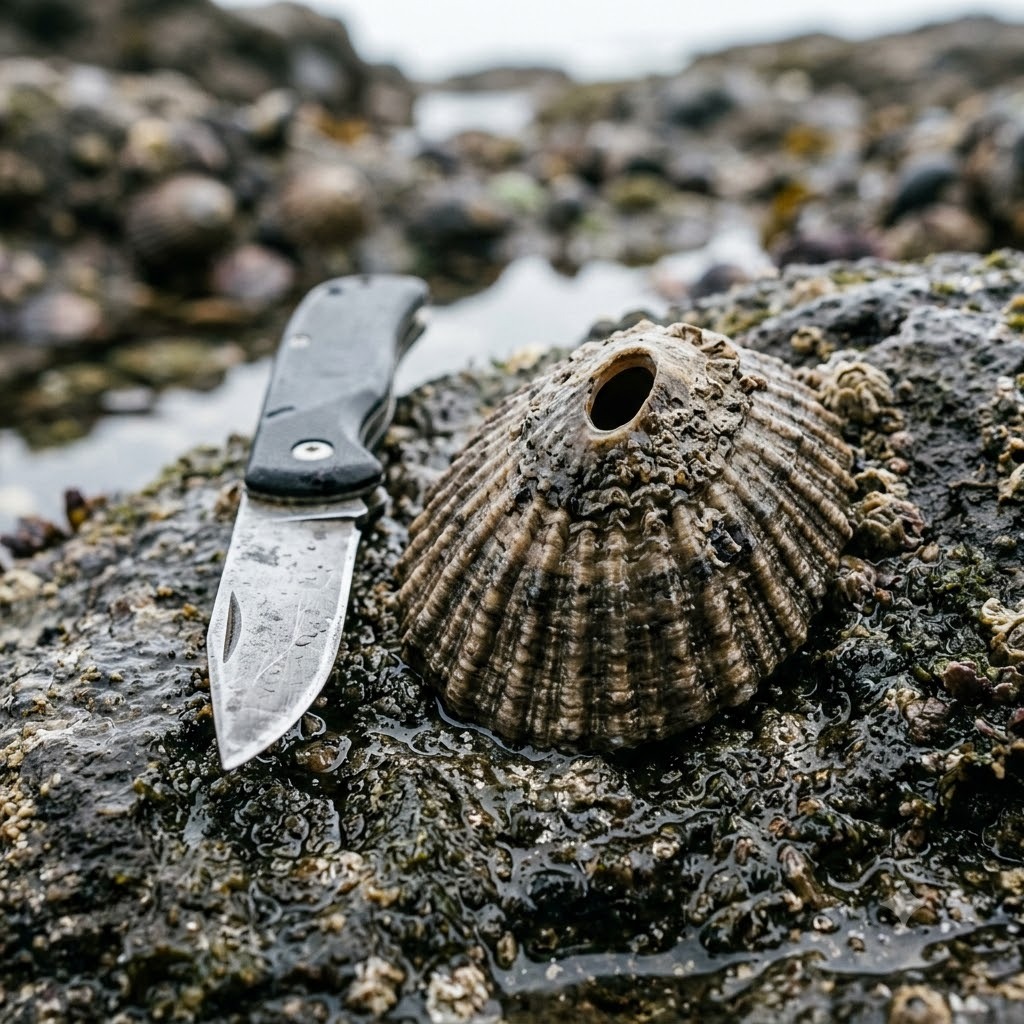
Keyhole limpets are larger cone-shaped limpets with a hole at the peak, clamped to intertidal and shallow rock, gathered like other limpets for a bigger, meaty foot - a traditional coastal food where populations allow.
Gather keyhole limpets only from clean, certified-safe rocky shores and take modestly (some are slow-growing or locally protected - check rules). Mind the surf and slippery rocks. Meat is chewy; cook thoroughly. Serious allergen.
Keyhole limpets are the heftier cousins of the common limpet - larger cone-shaped shells with a distinctive little hole at the peak, clamped to wave-washed intertidal and shallow reef rock. Gathered the same surprise-and-pry way as other limpets, they reward you with a bigger, meatier foot, a traditional coastal food eaten grilled or simmered. Where their populations are healthy and the rules allow, they are a satisfying step up from little winkle-style limpets.
Why go for them
The draw is size - a keyhole limpet gives a much larger, meatier foot than the little limpets, so a modest gather makes a real dish, grilled in the shell with garlic butter or simmered into rice and stews. They are free, reachable on foot at low tide, and a traditional taste of the rocky shore for the patient forager.
Where and when to find them
Keyhole limpets clamp to wave-washed rocks, reefs and ledges in the low intertidal and shallow subtidal, exposed on big low tides. Gather them on a good low tide where they cluster on rock, ideally on healthy shores; as with all rock-clinging shellfish, clean water matters more than finding them.
How to catch them
Approach quietly and knock or slide a blade under the shell in one quick, surprise motion before the limpet clamps down, then flick it free into your bucket. If it seals to the rock you will not shift it. Wear gloves, mind the slippery rock and surf, and take only larger limpets, sparingly.
Handling, cleaning and cooking
Rinse the limpets and pull the large foot from the shell, trimming the gut. The meat is chewy, so cook it briefly and hot or long and slow: grill them in the shell with garlic butter, or simmer the cleaned meat into rice, soup or stew until tender. Do not cook them a medium length of time, which leaves them rubbery.
Safety and the law
Some keyhole limpets are slow-growing or locally protected, so check local rules and take modestly to protect populations. Gather only from clean, open, certified-safe rocky shores. Wave-washed rocks are slippery and the surf is dangerous, so watch your footing and the sea. Cook thoroughly; shellfish is a serious allergen. See our shellfish safety guide.