How to Catch Atlantic Rock Crab
Atlantic rock crabs are small brown-shelled Northeast crabs with sweet, delicate meat, easy to gather from rocky shores and docks and often taken in lobster and Jonah-crab gear.
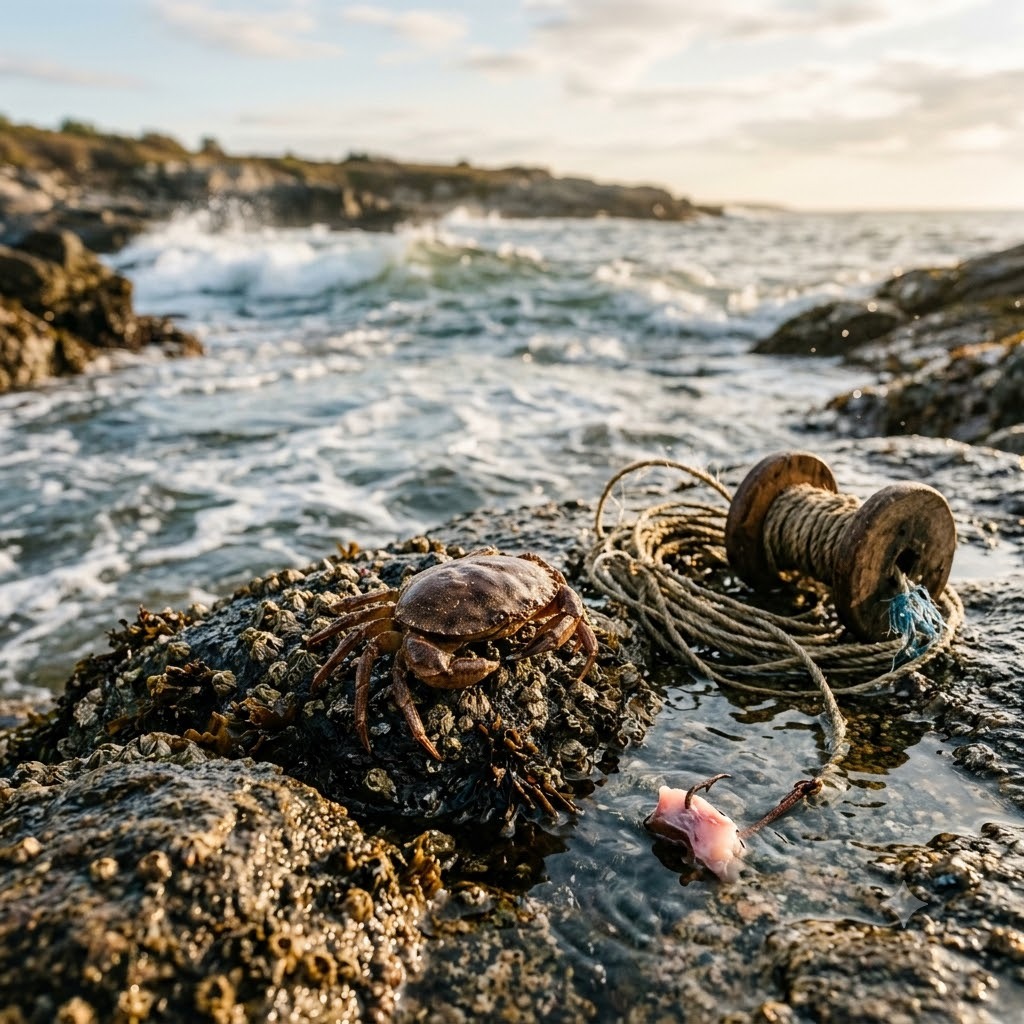
Check your state's size and possession rules and release egg-bearing females. Gather only from waters certified safe for harvest; shellfish is a serious allergen, so cook thoroughly.
Atlantic rock crab is the quiet, everyday crab of the Northeast shoreline - not as famous as Jonah or blue crab, but abundant, easy to catch, and genuinely good eating. Small and brown-shelled, it turns up under rocks at low tide and in almost every lobster and crab trap on the coast, and a bucket of them picks down into some of the sweetest crab meat around.
Why go for them
They are abundant, easy and free, and the meat, though modest in quantity, is delicate and sweet. For anyone learning to crab on the Atlantic coast, rock crabs are a forgiving, low-stakes species that reward a bit of patience with a fine crab salad or a batch of cakes.
Where and when to find them
Atlantic rock crabs favour rocky and gravelly bottoms, tide pools, jetties and pilings from the shallows to deeper water. They are easiest to gather in the warmer months on a low tide when you can turn rocks along the shore, and they show up readily in baited traps set near structure.
How to catch them
Turn rocks by hand at low tide (wear gloves), or set a small baited trap or a mesh bag of fish scraps near rocky ground and lift it after it soaks. They also come readily to a hand line baited with fish. Measure any that need it, keep only legal crabs, and handle from the rear to avoid the claws.
Handling, cleaning and cooking
Keep them cold and alive, then boil or steam until bright red. Because the meat is fine and not plentiful, pick a good number and turn them into crab cakes, bisque, a chilled salad or a stock. Cook the day of the catch, and do not overcook or the delicate meat toughens.
Safety and the law
Size, limits and open areas vary by state, so check your local authority and release egg-bearing females. Harvest only from waters certified safe for shellfishing, steer clear of closed or polluted areas, cook thoroughly, and remember shellfish is a common serious allergen. Our shellfish safety guide covers the details.