Scamp Grouper
The scamp is widely considered the best-eating grouper in the sea, a smaller, deepwater member of the family prized by reef and deep-drop anglers.
🗓️ Last reviewed: October 2026
Overview
The scamp is widely considered the best-eating grouper in the sea, a smaller, deepwater member of the family prized by reef and deep-drop anglers. What it lacks in size it more than makes up for at the table, making it a top target on hard bottom.
Identification
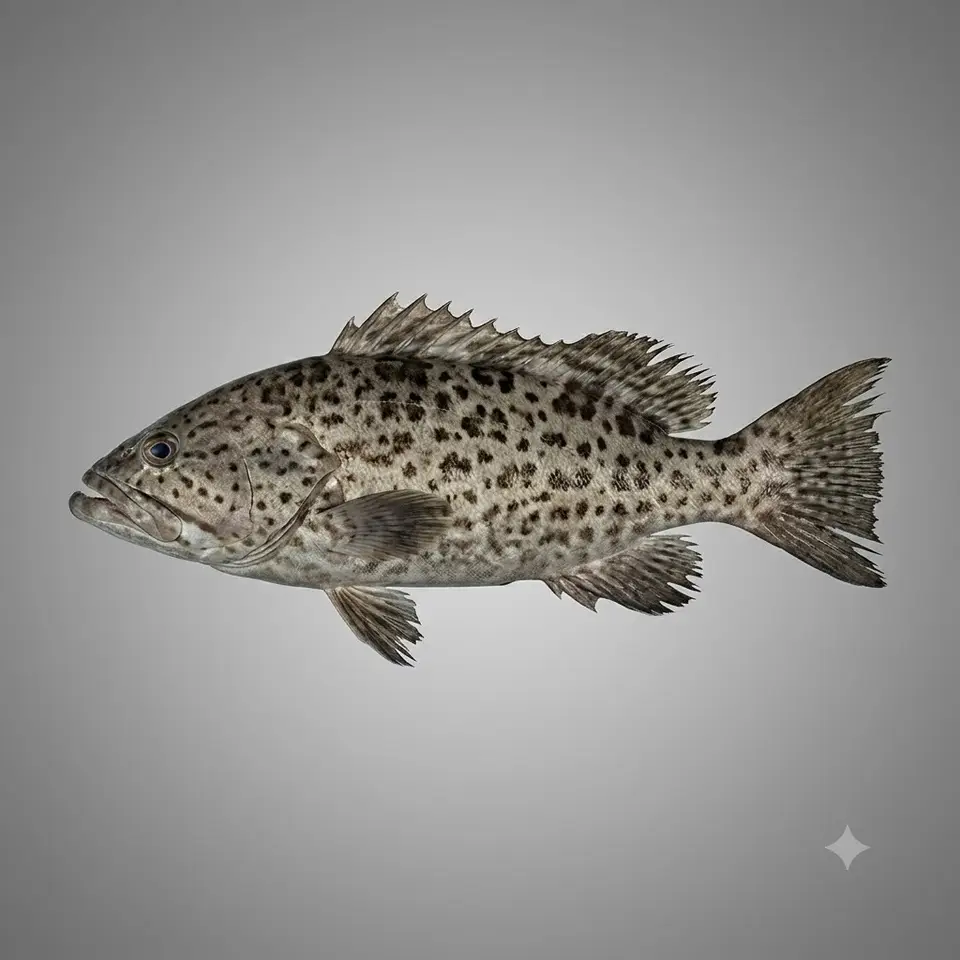
Scamp are grayish-brown with dark spots and, on larger fish, broom-like trailing tips on the tail and fins. They are slimmer than the big groupers, with the spotted pattern and frayed fin tips the giveaways.
Range & Habitat
They live over deep reefs, ledges and hard bottom of the US South Atlantic and Gulf, typically in 100 to 300 feet of water.
Behavior & Diet
Scamp ambush small fish, squid and crustaceans around deep structure, holding tight to ledges and rubble like other groupers.
Best Seasons
Caught year-round where seasons allow on deep bottom trips, with access and weather dictating the best days.
How to Catch Them
Drop cut bait, live bait or jigs to deep reefs and ledges; a stout rig is needed to pull them from structure before they hole up.
Tackle & Rigs
Heavy conventional bottom gear, braided line, heavy leaders and knocker or fish-finder rigs with bait.
Landing, Handling & Release
Pull hard to turn them from the rocks; released fish caught deep need venting or a descending device. Ice keepers promptly.
Table Quality
Scamp is the gold standard of grouper eating - firm, white, sweet and delicate, prized above every other grouper. One caution for fish from tropical and subtropical reefs: the CDC names grouper among the large reef fish most likely to cause ciguatera poisoning, and the toxin is not destroyed by cooking or freezing - check local advisories before eating large fish from those waters.
Common Mistakes
Letting a hooked fish reach the rocks and releasing deep fish without a descender.
Regulations & Conservation
Grouper are tightly managed with seasons, size and bag limits and closures that change often. Always confirm the current federal and state regulations before keeping fish. We do not give legal advice.
FAQ
Best-eating grouper? Most anglers say scamp, hands down.
How do I tell a scamp? Spotted body and broom-like frayed tail and fin tips.
🎣 Tackle for scamp grouper
As an Amazon Associate we may earn from qualifying purchases - at no extra cost to you. We link gear types, not sponsors' picks: you choose the exact product. The partner-store link may earn us a commission too.