Black Rockfish
The black rockfish is one of the most abundant and accessible members of the West Coast rockfish family, a hard-fighting reef fish caught from boats and jetties along the Pacific.
🗓️ Last reviewed: July 2026
Overview
The black rockfish is one of the most abundant and accessible members of the West Coast rockfish family, a hard-fighting reef fish caught from boats and jetties along the Pacific. Willing, schooling and fine on the table, it is a bread-and-butter species for Pacific bottom anglers.
Identification
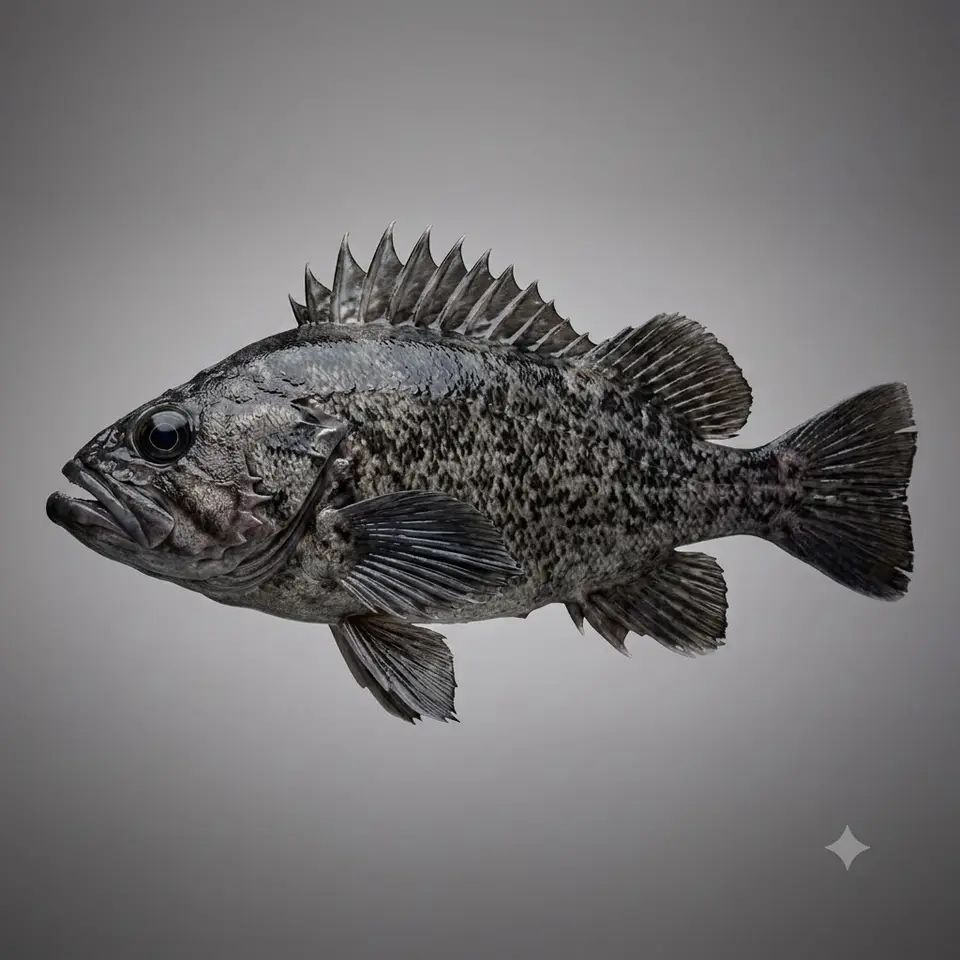
Black rockfish are dark gray to black with mottling and a lighter belly, a large mouth, and spiny fins; they school higher in the water column than most rockfish. They are told from similar species by their dark coloring and rounded anal fin.
Range & Habitat
They range from Southern California to Alaska over nearshore rocky reefs, kelp and structure, often suspending above the bottom in loose schools.
Behavior & Diet
Black rockfish feed on small fish, krill and invertebrates, schooling around structure and rising to chase bait, which makes them catchable on the drift and cast.
Best Seasons
Fishing is good spring through fall in accessible nearshore water, with strong action when the fish school up on the reefs.
How to Catch Them
Jigs, swimbaits, shrimp flies and bait fished around rocky structure; they hit readily and can be caught on light gear near the surface over reefs.
Tackle & Rigs
Medium conventional or spinning gear, braided line, leadhead jigs and shrimp-fly rigs; lighter tackle than deep rockfish since they suspend shallow.
Landing, Handling & Release
Fish caught shallow release well; use a descending device for any deep fish. Bleed and ice keepers promptly.
Table Quality
Black rockfish are excellent - firm, white and mild, a favorite for tacos, frying and chowder.
Common Mistakes
Fishing only the bottom when the school has risen, and not using a descender on deep-caught release fish.
Regulations & Conservation
Rockfish are managed with strict area limits, depth restrictions and seasons that change often. Always confirm the current regulations before fishing. We do not give legal advice.
FAQ
Are they easy to catch? Yes - abundant, schooling and willing on light gear.
Good eating? Excellent mild white fillets.
🎣 Tackle for black rockfish
As an Amazon Associate we may earn from qualifying purchases - at no extra cost to you. We link gear types, not sponsors' picks: you choose the exact product. The partner-store link may earn us a commission too.