Flannelmouth Sucker
The flannelmouth sucker is a large native sucker of the Colorado River basin, increasingly appreciated by anglers who value native desert fish and light-tackle action.
🗓️ Last reviewed: July 2026
Overview
The flannelmouth sucker is a large native sucker of the Colorado River basin, increasingly appreciated by anglers who value native desert fish and light-tackle action. A hardy survivor of harsh southwestern rivers, it is a distinctive catch on the fly or bait.
Identification
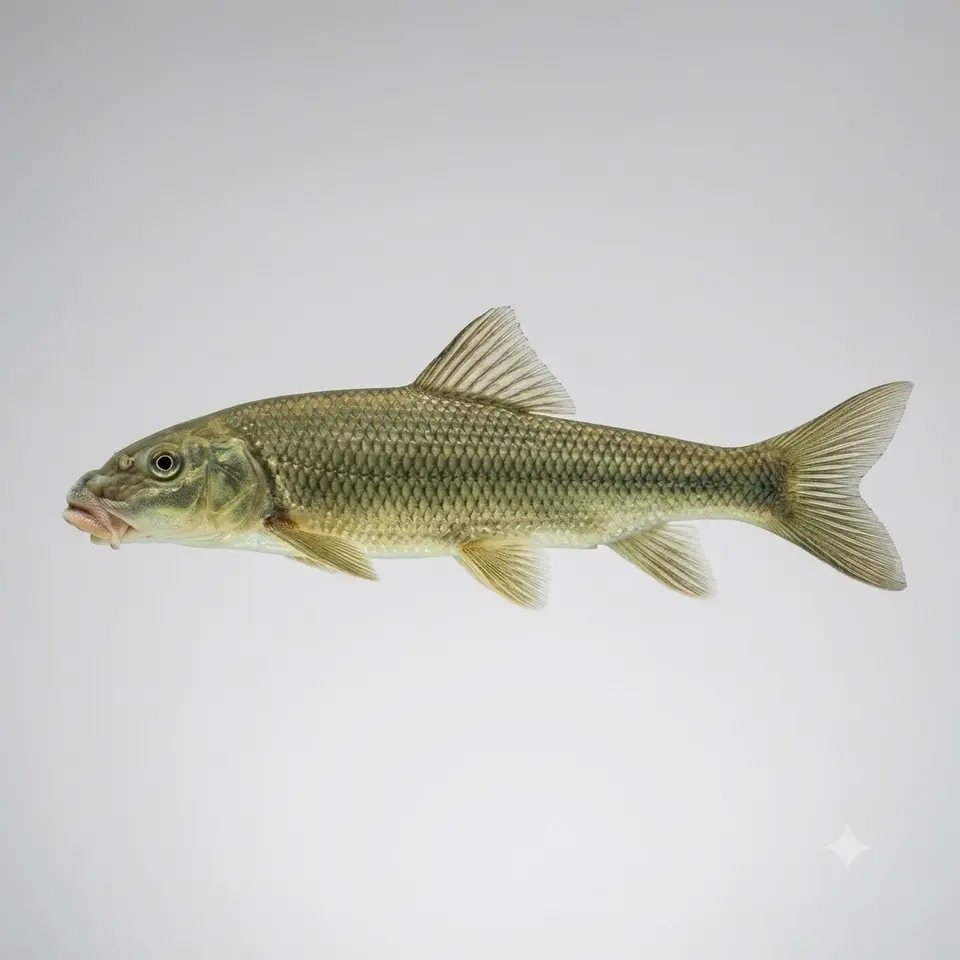
Flannelmouth suckers are slender and greenish-bronze with a pale belly and large, thick, fleshy lips built for bottom feeding - the "flannel" mouth of the name. They can grow surprisingly large in big rivers.
Range & Habitat
They are native to the Colorado River basin of the Southwest, holding in the current of large rivers and streams over sand, gravel and cobble.
Behavior & Diet
Flannelmouth suckers use their fleshy lips to vacuum insect larvae, algae and detritus from the riverbed, holding near the bottom in flowing water.
Best Seasons
Best fishing is spring through fall in flowing water, with spring spawning movements concentrating fish.
How to Catch Them
Bottom-drifted worms, small nymphs and bait presented near the riverbed; they are a fun light-tackle and fly target once located.
Tackle & Rigs
Light spinning or fly gear, 4-8 lb line, small hooks and bottom presentations.
Landing, Handling & Release
Handle wet and release most fish - native suckers are best conserved, and some populations are of concern.
Table Quality
Edible but bony; most anglers release them, valuing them as native river fish rather than table fare.
Common Mistakes
Dismissing suckers as trash fish and missing a rewarding native river species.
Regulations & Conservation
A native of conservation interest in some waters, with rules that vary; hybridization and habitat loss are concerns. Confirm current regulations before keeping fish. We do not give legal advice.
FAQ
Why target a sucker? Native-fish appreciation and fun light-tackle action in desert rivers.
Good eating? Bony - most anglers release them.
🎣 Tackle for flannelmouth sucker
As an Amazon Associate we may earn from qualifying purchases - at no extra cost to you. We link gear types, not sponsors' picks: you choose the exact product.