Raising Whiteleg Shrimp: The World's Top Farmed Shrimp
A guide to farming whiteleg shrimp - the world's most farmed shrimp, a fast-growing warm-water species raised in brackish ponds and indoor biofloc systems, demanding careful water and biosecurity.
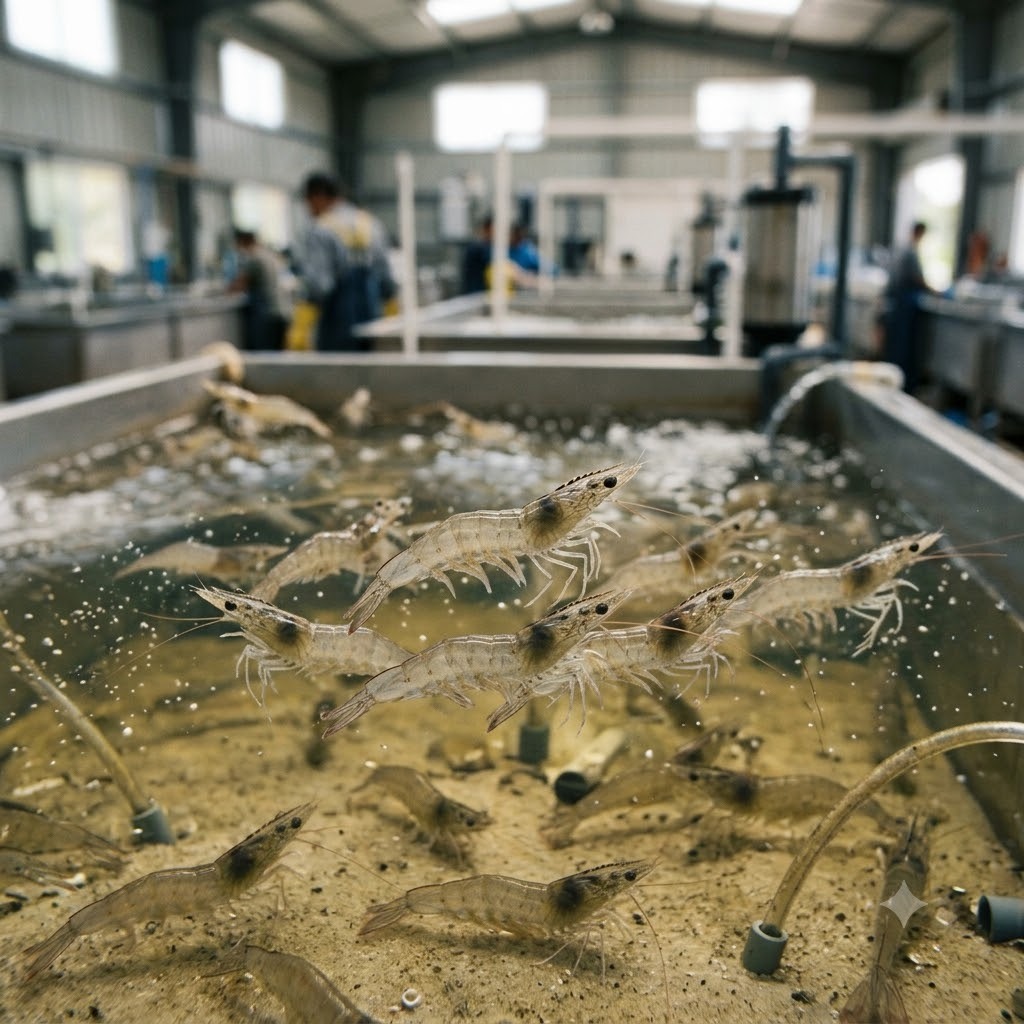
Whiteleg shrimp (Pacific white shrimp) are the most farmed shrimp on earth, the species behind most of the world's shrimp supply. Fast-growing and adaptable, they are raised in brackish ponds and, increasingly, indoor biofloc systems even far from the coast. But they are sensitive to water quality and prone to disease, so success rests on stable conditions and strict biosecurity.
Is it right for you?
Whiteleg shrimp suit a grower ready to manage brackish water quality and biosecurity carefully, whether in a pond or an indoor biofloc tank. They are productive but unforgiving of water-quality lapses and disease.
System & Space
Brackish grow-out ponds or indoor biofloc tanks are the two main systems; biofloc lets them be raised inland. Both need strong aeration, filtration or floc management, and biosecurity.
Water & Temperature
They need warm water and brackish salinity, held stable; swings in temperature, salinity or oxygen stress them and invite disease. Aeration must stay reliable.
Stocking & Feeding
Stock post-larvae from a disease-free hatchery and feed a shrimp diet; in biofloc, the floc itself provides supplemental nutrition. Water and floc management is the core daily work.
Health & Care
Disease is the great risk in shrimp farming; strict biosecurity, disease-free stock, and rock-steady water quality are the main defenses. Never mix in wild or untested shrimp.
Harvest & Enjoying Them
They reach market size in a few months, giving the familiar sweet, firm table shrimp harvested by draining or netting.
Getting Started
Set up a stable brackish pond or biofloc system, source certified disease-free post-larvae, and master aeration and water quality before scaling.
Common Mistakes
Poor biosecurity (the top cause of crop loss), unstable salinity, temperature or oxygen, and using untested stock are the serious errors.
FAQ
Can I raise them inland? Yes - indoor biofloc systems make brackish shrimp farming possible far from the sea.
Biggest risk? Disease - biosecurity is everything.